Tax Refund Scam Checker: How to Spot Fake Tax Refund and Payment Warnings
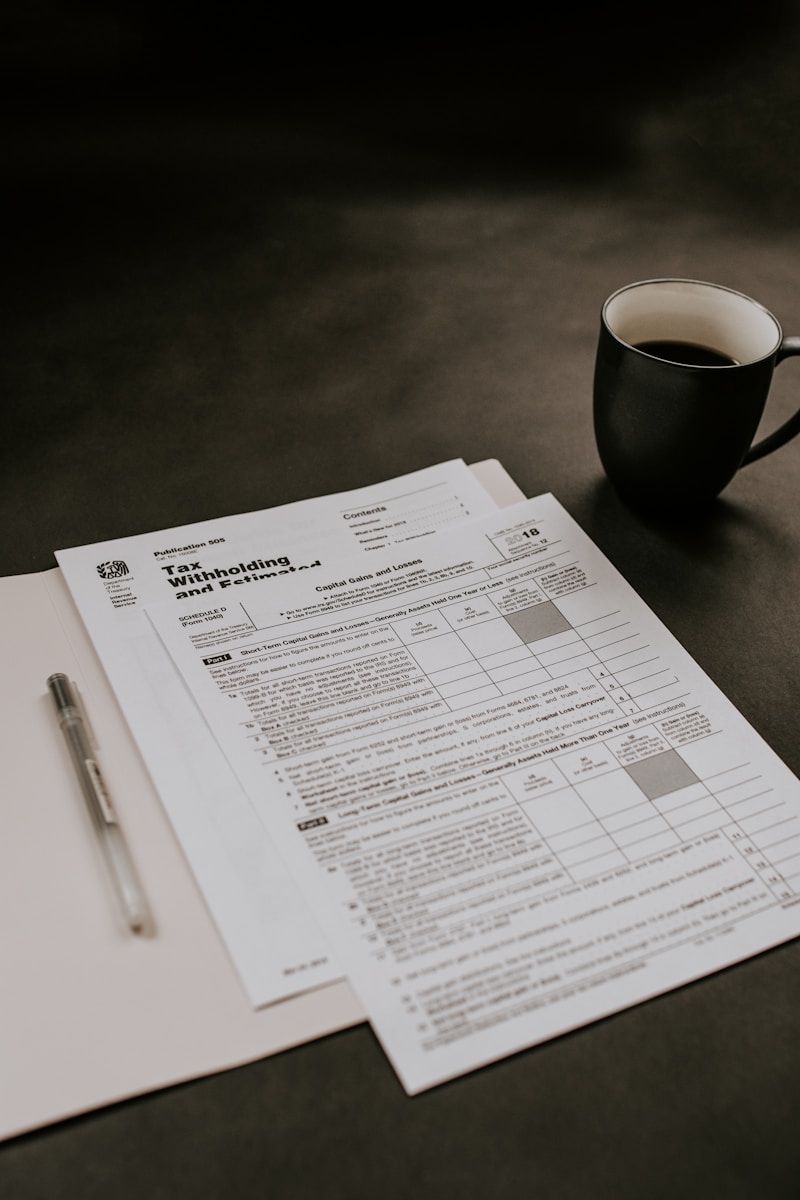
Tax refund scams work because they combine official language with either fear or reward. The message might say your refund is waiting, your filing is blocked, or enforcement action is coming unless you respond now. A tax refund scam checker helps you separate real tax administration from phishing and payment fraud before you click or submit personal data.
What a tax refund scam checker should look for
These scams often impersonate tax agencies and use familiar themes: refunds, overdue payments, verification requests, and filing deadlines. The attacker may ask you to log in through a link, call a number, or provide bank details to receive money that does not exist.
Top red flags to watch for
1. The email promises a refund you were not expecting or pressures you to act immediately.
2. The message asks for tax IDs, bank details, or login credentials through a link or form.
3. The sender domain or callback number does not match the real tax authority.
How to check it with AskdwinAI
Step 1. Paste the tax message into AskdwinAI to detect official-impersonation and phishing patterns.
Step 2. Inspect links separately before opening them and compare the domain to the real tax authority site.
Step 3. Verify refund or payment issues only through the official tax portal you open yourself.
What to do if it is a scam
Step 1. Do not click, log in, or provide financial details through the suspicious message.
Step 2. Report the phishing attempt to the real tax authority and your email provider.
Step 3. If you shared credentials or tax data, secure the affected account and monitor for identity fraud.
Tax Refund Scam Checker: How to Spot Fake Tax Refund and Payment Warnings
Share this article with friends, family, or coworkers who could benefit from scam education — or donate to keep AskdwinAI free.
Frequently Asked Questions
How do fake tax refund scams work?
They pretend you are owed money or face a tax issue, then push you toward a fake login page, payment demand, or data-harvesting form.
Will a tax authority ask me to verify a refund by email link?
Treat that as suspicious. The safest approach is to open the official tax portal yourself rather than using a link in an unexpected message.
What should I do if I clicked a fake tax refund link?
Stop, secure the affected account, change passwords if needed, and monitor for identity theft or unauthorized filings.
Check Your Message Now
Paste any suspicious message, upload a screenshot, check a URL, or verify a phone number. Free, anonymous, instant.
Related Articles
Email Scam Checker: How to Review a Suspicious Email Before You Reply
If you are searching for an email scam checker, you probably need a fast answer before you reply, click, or pay. Here is how to review suspicious emails safely.
How to Check If an Email Is Phishing Before You Enter Your Password
If you need to know how to check if an email is phishing, focus on fake login pressure, brand mismatch, and suspicious link behavior before you sign in anywhere.
Government Benefits Scam Checker: How to Spot Fake Benefit Payments and Subsidy Alerts
Benefit-payment scams target people who rely on help, urgency, and official branding. Here is how to spot fake subsidy and welfare alerts before sharing details.
Keep exploring the scam pattern
Move from education to action with related detector, live alert, and directory pages that deepen the topic and improve crawl depth.
Jump from this article into the exact detector that matches the scam pattern.
See whether this scam pattern is actively rising right now.
Run the real message, screenshot, link, or number through AskdwinAI immediately.